For many business owners, the decision to hire a consultancy is born out of a paradox: business is going well enough to need help, but things are chaotic enough that you aren’t quite sure where to start. There is often a lingering stigma that consultants are merely “expensive outsiders” who borrow your watch to tell you the time.
In reality, a modern UK business consultancy functions as a strategic extension of your leadership team. Whether you are navigating a complex digital transformation, restructuring your finance department, or preparing to scale, the right consultancy provides the objective clarity and specialist skills that are often impossible to maintain in-house.
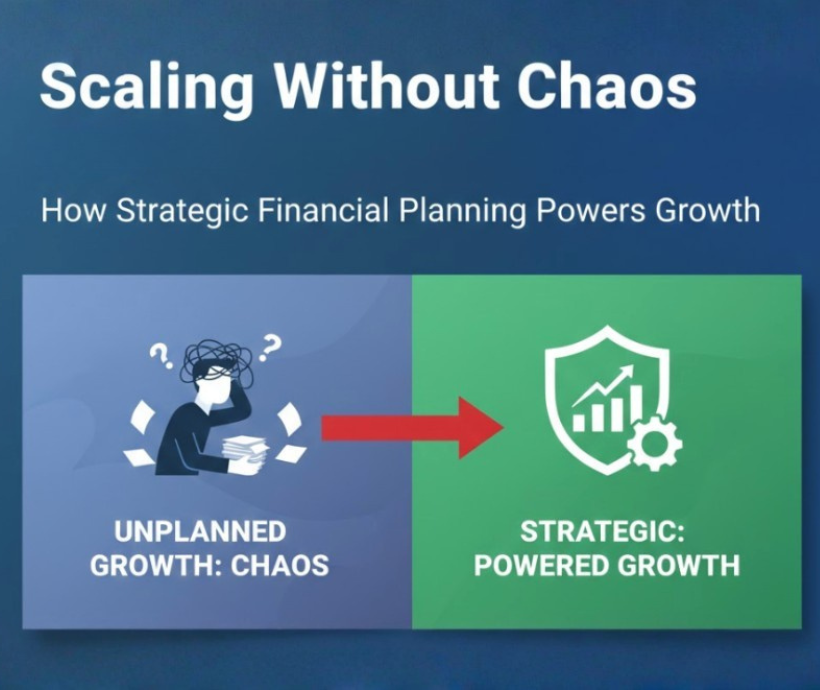
If you are considering taking this step, it is vital to understand the journey. It is not a one-off transaction; it is a structured process designed to move your business from its current state to a more profitable, efficient future. Here is exactly what you should expect when you engage a professional consultancy.
1. The Deep Dive: Discovery and Diagnostics
The first phase of any reputable consultancy engagement is not about giving advice it is about asking questions. You should expect an intensive “discovery” period. A consultant cannot fix what they do not fully understand, so they will spend time under the bonnet of your business.
During this stage, the consultancy will likely request access to your financial records, operational workflows, and perhaps even conduct interviews with key staff members. They are looking for the “gap” the distance between where you are and where you want to be. This stage is often eye-opening for directors, as the consultant will identify bottlenecks or risks that have become invisible to those working inside the business every day.
2. The Strategic Roadmap
Once the audit is complete, the “consulting” truly begins. You should expect a detailed proposal or roadmap that outlines specific interventions. A common mistake is thinking you will receive a generic template; a high-value consultancy will provide a bespoke strategy tailored to your specific industry, turnover, and team structure.
This roadmap should include:
- Clear Objectives: What does success look like? (e.g., a 15% reduction in overheads or a seamless transition to a new payroll system).
- Timelines: When will each phase of the project be completed?
- Resource Requirements: What will the consultancy do, and what will they need from your team to succeed?
3. Implementation and Practical Execution
The biggest differentiator between a “theoretician” and a “practitioner” is implementation. In the past, consultants would leave you with a 50-page report and wish you luck. Today, you should expect your consultancy to roll up their sleeves and help with the execution.
If the strategy involves migrating to cloud accounting, the consultancy should oversee the data transfer. If it involves tax planning, they should manage the filings. This “hands-on” approach ensures that the strategy doesn’t just sit in a drawer but actually changes the way the business operates.
Partner with the Experts at Bewise Consultancy Ltd
Navigating the complexities of business growth, accounting, and strategic planning requires more than just a consultant—it requires a partner who understands the UK’s unique regulatory and economic environment. At Bewise Consultancy Ltd we specialise in providing the professional oversight and accounting expertise needed to turn your business goals into reality. Whether you need help with company formation, strategic advisory, or comprehensive financial management, our team is here to ensure your business is built for long-term success.
Discover how a tailored partnership can transform your business. Visit Bewise Consultancy Ltd today for expert advice you can trust.
4. Objective Objectivity and “Hard Truths”
One of the most valuable, yet sometimes uncomfortable, aspects of working with a consultancy is their objectivity. As a founder or director, it is easy to become emotionally attached to a specific process or a “legacy” staff member who is no longer a fit for the company’s size.
You should expect your consultant to be a “critical friend.” They have no internal politics to navigate and no ego in the game; their only goal is the health of the business. Expect them to challenge your assumptions and present data-backed “hard truths” that internal staff might be too hesitant to mention.
5. Measurable Value and ROI
Business consultancy is an investment, and like any investment, it must deliver a return. Value is delivered in several ways:
- Efficiency Gains: Automating a manual process that saves your team 20 hours a week.
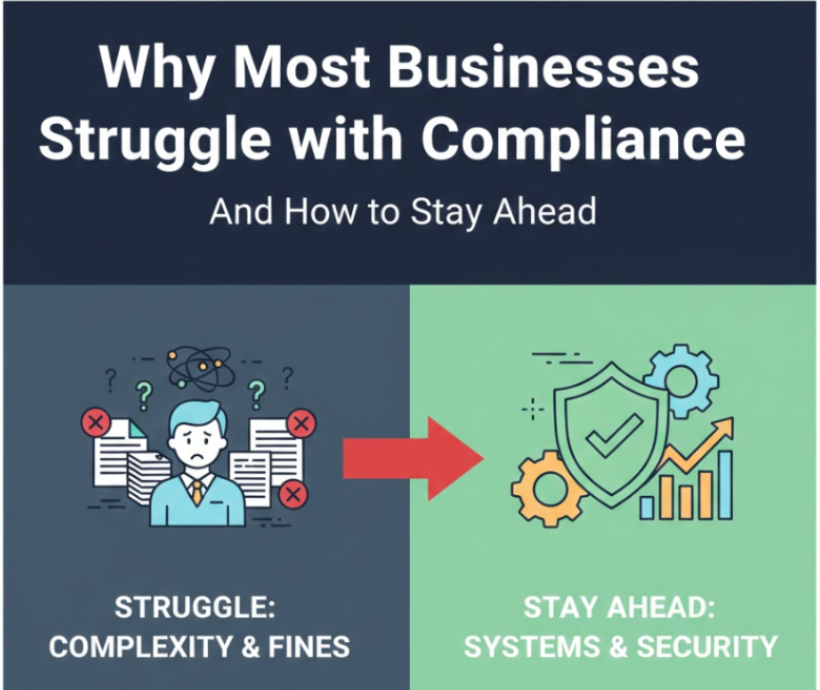
- Risk Mitigation: Ensuring you are fully compliant with the latest HMRC or employment laws to avoid five-figure fines.
- Tax Optimisation: Identifying reliefs or structures that keep more profit inside the business.
- Expertise on Demand: Accessing a high-level Financial Director or Strategist for a fraction of the cost of a full-time hire.
6. Knowledge Transfer and Evolution
The end goal of a consultancy engagement shouldn’t be a permanent dependency. You should expect a degree of “knowledge transfer.” By the time the project concludes, your internal team should be better equipped, your systems should be more robust, and your leadership should have a clearer understanding of the financial levers that drive your business.
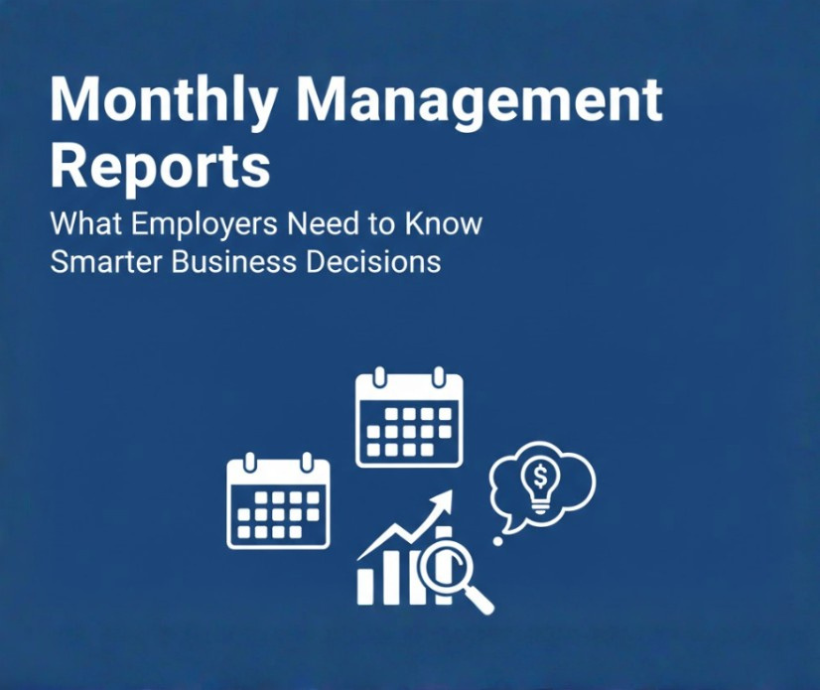
A consultancy engagement often evolves. You might start with a specific project like a VAT audit and move into a long-term advisory role where the consultant checks in monthly to review your management reports and adjust your growth strategy.
Conclusion: A Catalyst for Change
Working with a business consultancy is about more than just solving a single problem; it is about building a more resilient, professional organisation. It provides the external perspective and technical expertise that allows you to step out of the daily “firefighting” and back into the role of a visionary leader.
When you choose a consultancy that aligns with your values and understands your specific challenges, the process becomes a powerful catalyst for change. You gain the confidence that your compliance is handled, your strategy is sound, and your business is primed for its next stage of evolution.