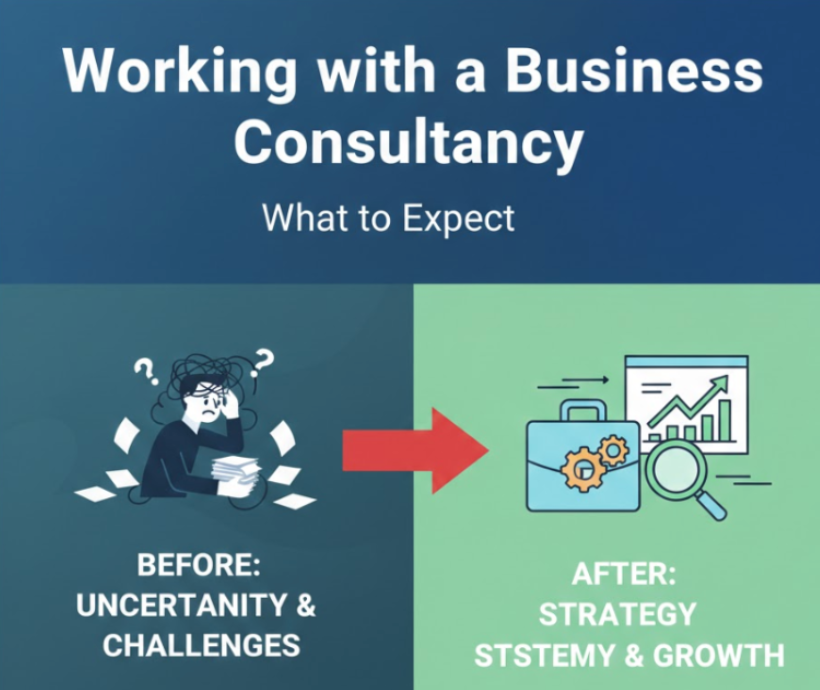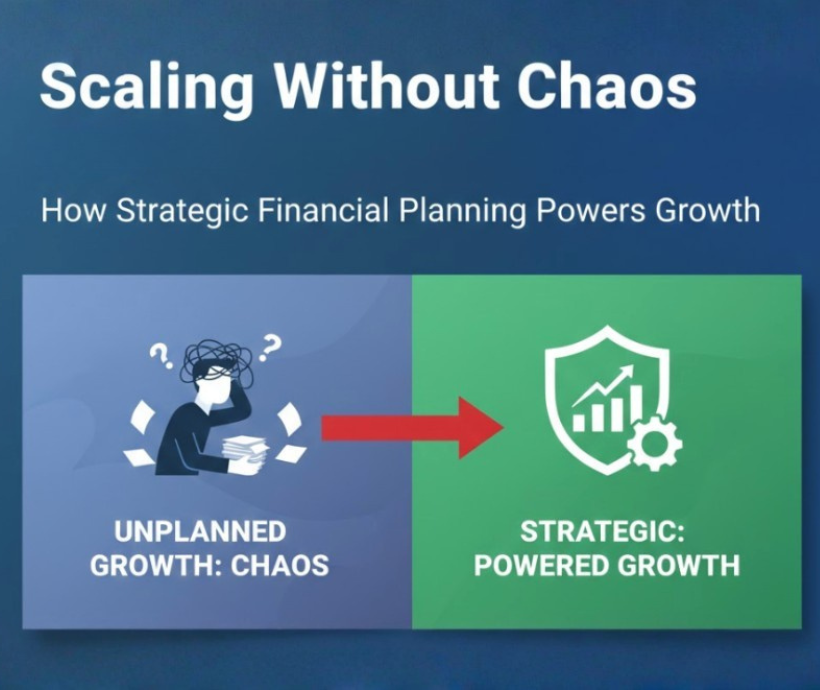
Every business owner reaches a crossroads where gut instinct alone isn’t enough. Markets shift, regulations change, and growth introduces complexities that demand expertise beyond day-to-day operations. This is where business advisory services enter the picture, but the real question isn’t whether they exist it’s whether your business actually needs one.
What Do Business Advisors Actually Do?
Business advisors are strategic partners who provide specialized expertise to help companies navigate challenges and capitalize on opportunities. Unlike consultants who might parachute in for a specific project, advisors typically maintain ongoing relationships with businesses, offering guidance across multiple dimensions of operations.
Their work spans strategic planning, where they help chart long-term direction and identify market opportunities your internal team might miss. Financial advisors analyze your numbers to uncover inefficiencies, optimize cash flow, and structure deals that protect your interests. Operational advisors streamline processes, eliminate bottlenecks, and implement systems that scale. Some specialize in human resources, technology implementation, risk management, or market expansion.
The most valuable advisors don’t just tell you what to do. They understand your industry’s nuances, ask probing questions that challenge assumptions, and bring pattern recognition from working with dozens of businesses facing similar challenges. They’ve seen what works, what fails spectacularly, and what separates companies that stagnate from those that thrive.
Signs Your Business Might Benefit from Advisory Support
Rapid growth sounds like a dream until you’re living it. When revenue climbs 50% but profitability stays flat or worse, declines something’s broken in your business model. Advisors help identify whether you’re underpricing, overspending, or simply operating with systems that can’t handle your new scale.
Perhaps you’re contemplating a major transition: expanding into new markets, acquiring a competitor, or preparing for a sale. These inflection points carry enormous risk. The wrong move can set you back years. An experienced advisor who’s guided businesses through similar transitions brings invaluable perspective on pitfalls to avoid and opportunities to seize.
Financial distress is another clear signal. If cash flow feels like a monthly crisis, you’re constantly juggling payables, or you’re unsure whether you can make next quarter’s payroll, waiting to seek help only narrows your options. Advisors can restructure obligations, negotiate with creditors, and implement controls that prevent future crises.
Sometimes the need is simpler: you lack internal expertise in critical areas. Maybe you’re a technical founder who built an incredible product but struggles with sales strategy. Perhaps you’ve grown beyond the capacity of your small internal finance team. Rather than hiring full-time executives you might not need permanently, advisory services provide flexible access to senior-level expertise.
When Advisors Add the Most Value
Certain business situations practically demand outside perspective. Succession planning, for instance, is fraught with emotional and financial complexity. Whether you’re transitioning a family business to the next generation or selling to an outside buyer, advisors help structure deals that protect everyone’s interests and minimize tax implications.
Mergers and acquisitions represent another high-stakes arena where advisory expertise pays dividends. Beyond valuation and deal structure, advisors conduct due diligence that uncovers hidden liabilities, negotiate terms that protect your interests, and manage the integration process that determines whether acquisitions succeed or become expensive mistakes.
Companies preparing for significant capital raises also benefit enormously from advisors. They help craft compelling narratives for investors, structure deals that don’t unnecessarily dilute ownership, and prepare financial projections that withstand scrutiny. The difference between good and mediocre advisory support can easily amount to millions in valuation or favorable terms.
The Cost-Benefit Reality
Advisory services aren’t cheap, and that’s the first objection most business owners raise. Fees vary widely depending on the advisor’s specialization and your needs. Some charge hourly rates ranging from $200 to $500 or more. Others work on monthly retainers. For transaction-based work like M&A, many charge success fees tied to deal value.
But cost without context is meaningless. The right advisor preventing one bad acquisition, negotiating a 5% better deal term, or identifying a cash flow improvement that adds $100,000 to your bottom line typically pays for themselves many times over. The question isn’t whether you can afford advisory services it’s whether you can afford the mistakes and missed opportunities that come from navigating complex decisions alone.
Alternatives to Consider
Not every business needs a formal advisory relationship immediately. Peer groups and mastermind networks provide collective wisdom at lower cost. Industry associations offer resources and connections. Some entrepreneurs find tremendous value in non-executive board members who provide ongoing guidance without the full scope of advisory services.
For very specific challenges, project-based consultants might suffice. If you need help implementing a particular software system or conducting market research for a new product, a targeted engagement makes more sense than an ongoing advisory relationship.
Making the Decision
The businesses that benefit most from advisory services share certain characteristics: they’re open to outside perspective, willing to implement recommendations, and operate at a scale where expert guidance can meaningfully impact outcomes. If your business generates at least seven figures in revenue, faces complex strategic decisions, or operates in a rapidly changing industry, advisory support deserves serious consideration.
Start by identifying your most pressing challenges or opportunities. Then assess whether your internal team has the expertise and bandwidth to address them effectively. If gaps exist and the stakes are high, the question shifts from “Do I need an advisor?” to “Can I afford to proceed without one?”