One of the most pivotal moments in any entrepreneurial journey is the day you move from “having an idea” to “forming a business.” In the United Kingdom, this transition requires you to make a fundamental legal choice: what business structure will you adopt?
Your choice isn’t just a box-ticking exercise for HMRC; it dictates how much tax you pay, the level of personal risk you carry, and how easily you can raise capital or sell your business in the future. While many start as sole traders due to the simplicity, others jump straight into a limited company for the protection it offers. To help you decide, let’s break down the most common UK structures and how they align with your long-term goals.
1. The Sole Trader: Simplicity and Speed
A sole trader is the simplest way to run a business in the UK. Legally, there is no distinction between you and your business. You are the business.
- Who it’s for: Freelancers, local tradespeople, and small consultants who want to get started with minimal fuss.
- The Pros: It’s free to set up (you simply register for Self Assessment with HMRC). You have total control, and your accounting requirements are relatively light. You keep all the profits after tax.
- The Cons: You have unlimited liability. If the business fails or is sued, your personal assets including your home and savings are at risk. Additionally, raising finance can be harder as you cannot sell “shares” in yourself.
2. Private Limited Company (Ltd): The Shield of Protection
A limited company is a separate legal entity from its owners. It has its own assets, its own bank account, and its own tax liabilities.
- Who it’s for: Businesses planning to scale, hire employees, or those operating in higher-risk industries.
- The Pros: The primary benefit is limited liability. Your personal finances are generally protected if the company runs into debt. It often carries more “prestige” with corporate clients and can be more tax-efficient once your profits reach a certain threshold, as you can pay yourself through a combination of salary and dividends.
- The Cons: There is more paperwork. You must register with Companies House, file annual accounts, and submit a Confirmation Statement. Your company’s financial information also becomes a matter of public record.
3. Ordinary Partnership: Shared Responsibility
If you are starting a venture with one or more people, an ordinary partnership is the simplest collective structure. It is essentially the “sole trader” model but for a group.
- The Pros: Easy to set up and allows for a shared workload and shared startup costs. Partners pay tax on their share of the profits via Self Assessment.
- The Cons: Much like a sole trader, partners have unlimited liability. Crucially, you are “jointly and severally” liable, meaning if your partner signs a bad contract, you are equally responsible for the debt.
4. Limited Liability Partnership (LLP): The Professional Choice
An LLP combines the flexibility of a partnership with the liability protection of a limited company.
- Who it’s for: Often used by professional services like accountants, solicitors, and architects.
- The Pros: Partners (known as members) have limited liability. It provides a professional structure while allowing for flexible profit-sharing arrangements.
Let Bewise Consultancy Ltd Navigate the Complexity for You
Choosing between a sole trader and a limited company isn’t just about the “now” it’s about where you want to be in five years. At Bewise Consultancy Ltd we provide expert advice to help you select the most tax-efficient and secure structure for your specific vision.
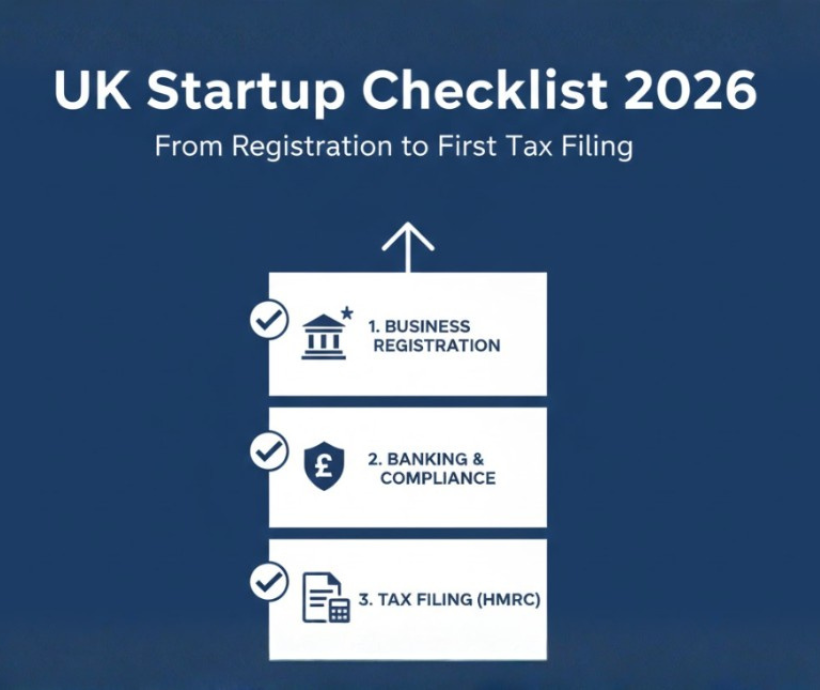
From the initial company formation and HMRC registration to ongoing bookkeeping and strategic growth planning, we handle the technicalities so you can focus on building your brand.
Ready to start your UK business on the right foot? Explore our business setup and accounting services at Bewise Consultancy Ltd
Key Factors to Consider Before Deciding
When weighing these options, ask yourself these three critical questions:
A. What is my risk profile?
If your business involves physical risks (like construction) or high-value contracts (like software development), the “corporate veil” of a Limited Company is almost always worth the extra admin. If your risk is low and your overheads are minimal, a Sole Trader setup may suffice.
B. What are my growth ambitions?
If you intend to seek investment from Venture Capitalists or Angel Investors, you must be a Limited Company. Investors cannot buy shares in a sole trader or a simple partnership.
C. How much do I expect to earn?
Generally, once your profits exceed a certain level (often cited around £30,000 to £40,000, though this varies based on current tax legislation), the tax-saving opportunities of a Limited Company such as taking dividends instead of a high salary can outweigh the increased accountancy costs.
Conclusion: Foundations for Success
There is no “perfect” structure, only the structure that is perfect for your stage of growth. Many of the UK’s most successful companies started as simple sole traders before incorporating as they grew.
The key is to review your structure regularly. As your revenue increases and your team expands, what worked yesterday might be holding you back tomorrow. Get the foundation right, and the rest of the business will follow.